
Prepping Your Vehicle For Delivery: What Businesses And Customers Should Know
Whether you’re a business delivering vehicles to customers or an individual arranging transport for a recent purchase, proper preparation plays a vital role in ensuring a smooth, safe and stress-free vehicle delivery. While professional vehicle delivery services like UPH Vehicle Delivery Service (VDS) handle the logistics and transport, a few simple checks and preparations beforehand can help protect your vehicle and avoid unnecessary delays.
This guide outlines what businesses and customers should know about preparing a vehicle for delivery, from inspections and cleaning to protective measures that safeguard your vehicle in transit.
Why Vehicle Preparation Matters
Vehicle delivery is more than simply moving a car from A to B. Preparation ensures:
The vehicle is transported safely and securely
Any existing marks or issues are clearly documented
The delivery runs on schedule without last-minute complications
The vehicle arrives in the same condition it left
For businesses, this protects brand reputation and customer satisfaction. For private customers, it provides peace of mind that their vehicle is being handled with care.
1. Carry Out a Pre-Delivery Inspection
Before the vehicle is collected, a basic inspection should be completed. This applies whether you are a dealership, leasing company or private owner.
Check for:
Existing scratches, dents or paint imperfections
Wheel condition
Windscreen chips or cracks
General interior condition
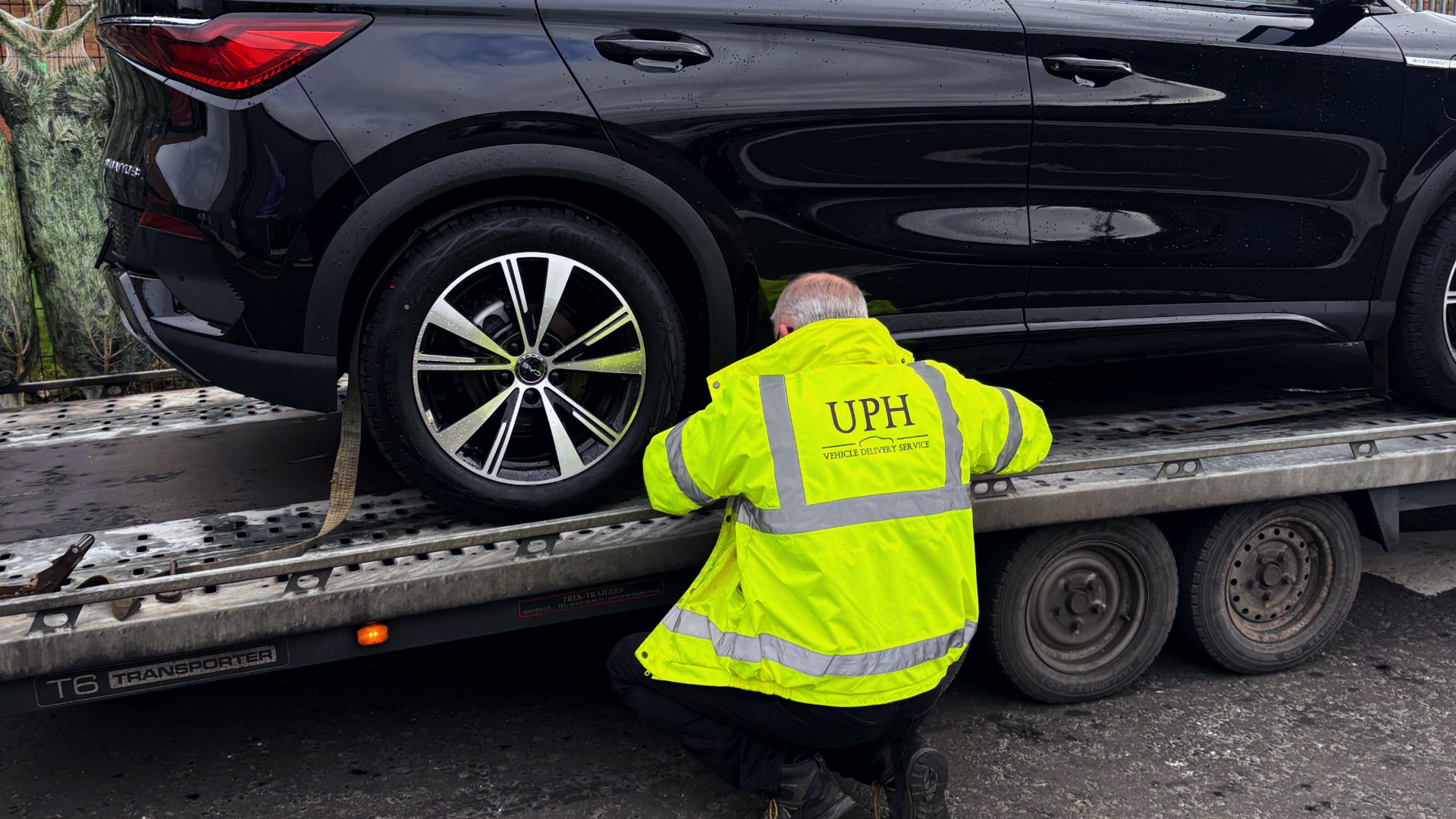
At UPH VDS, our drivers also carry out professional pre-collection and post-delivery checks, ensuring transparency and accountability at every stage.
2. Ensure the Vehicle Is Clean and Accessible
While vehicles do not need to be showroom-polished, a clean exterior makes it easier to identify any pre-existing marks during inspection.
It’s also important to:
Remove personal items from the vehicle
Ensure the vehicle is accessible for loading
Make sure keys and relevant documentation are available
For businesses, this helps ensure a smooth handover to the end customer. For private owners, it avoids delays on collection day.
3. Check Fuel, Battery and Tyres
A vehicle being transported on a trailer does not require a full tank of fuel, but it should be able to start and move safely for loading and unloading.
Before collection:
Ensure the vehicle starts reliably
Check tyre pressure
Confirm the battery is charged (especially important for electric vehicles)
If there are known mechanical issues, it’s always best to inform the delivery provider in advance so appropriate planning can be made.

4. Protecting the Vehicle During Transport
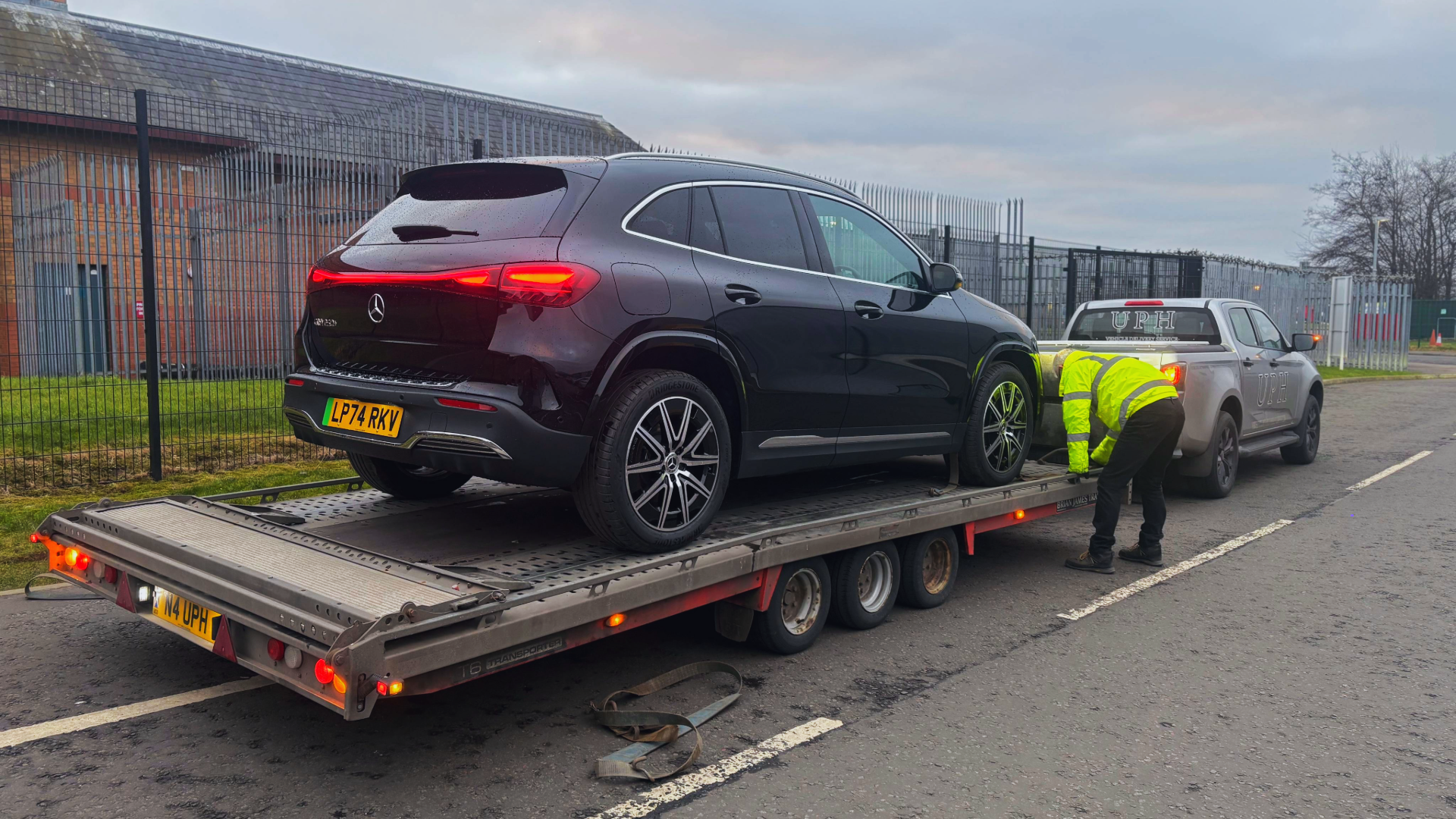
Professional vehicle delivery services use specialist equipment and techniques to protect vehicles throughout the journey.
At UPH Vehicle Delivery Service, this includes:
Soft wheel straps to secure all four wheels without marking or damage
Careful weight distribution on the trailer for stability
Covered trailer options to protect against weather, road debris and salt
Single-vehicle trailers for added control and reduced handling
These measures are particularly important for prestige, classic, electric and brand-new vehicles where condition on arrival is critical.
5. Covered vs Open Transport: Choosing the Right Option
Both businesses and customers should consider whether covered or open transport is best suited to their vehicle.
Covered transport is ideal for:
Prestige and high-value vehicles
Classic cars
New vehicles where first impressions matter
Long-distance or winter deliveries
Open transport may be suitable for standard vehicles and shorter journeys, but covered trailers offer an added layer of protection and peace of mind.

6. Clear Communication Before Collection
One of the most important steps in preparation is communication.
Before delivery
Confirm collection and delivery addresses
Agree on delivery windows
Highlight any access restrictions or remote locations
Discuss any specific vehicle requirements
This allows the delivery provider to plan routes efficiently and avoid delays, especially for remote or hard-to-reach destinations.

Final Thoughts
Preparing a vehicle for delivery doesn’t have to be complicated, but it does make a difference. By carrying out simple checks, ensuring accessibility and choosing a professional delivery partner, both businesses and customers can enjoy a smooth, secure and worry-free experience.
At UPH Vehicle Delivery Service, we take care of every detail - from professional inspections and secure loading to nationwide delivery and protected transport options. Whether you’re delivering a vehicle to a customer or arranging transport for your own car, our team ensures it arrives safely, on time and in pristine condition.
Ready to arrange your vehicle delivery?
Get in touch with UPH Vehicle Delivery Service today and let us handle the journey with care and precision.